
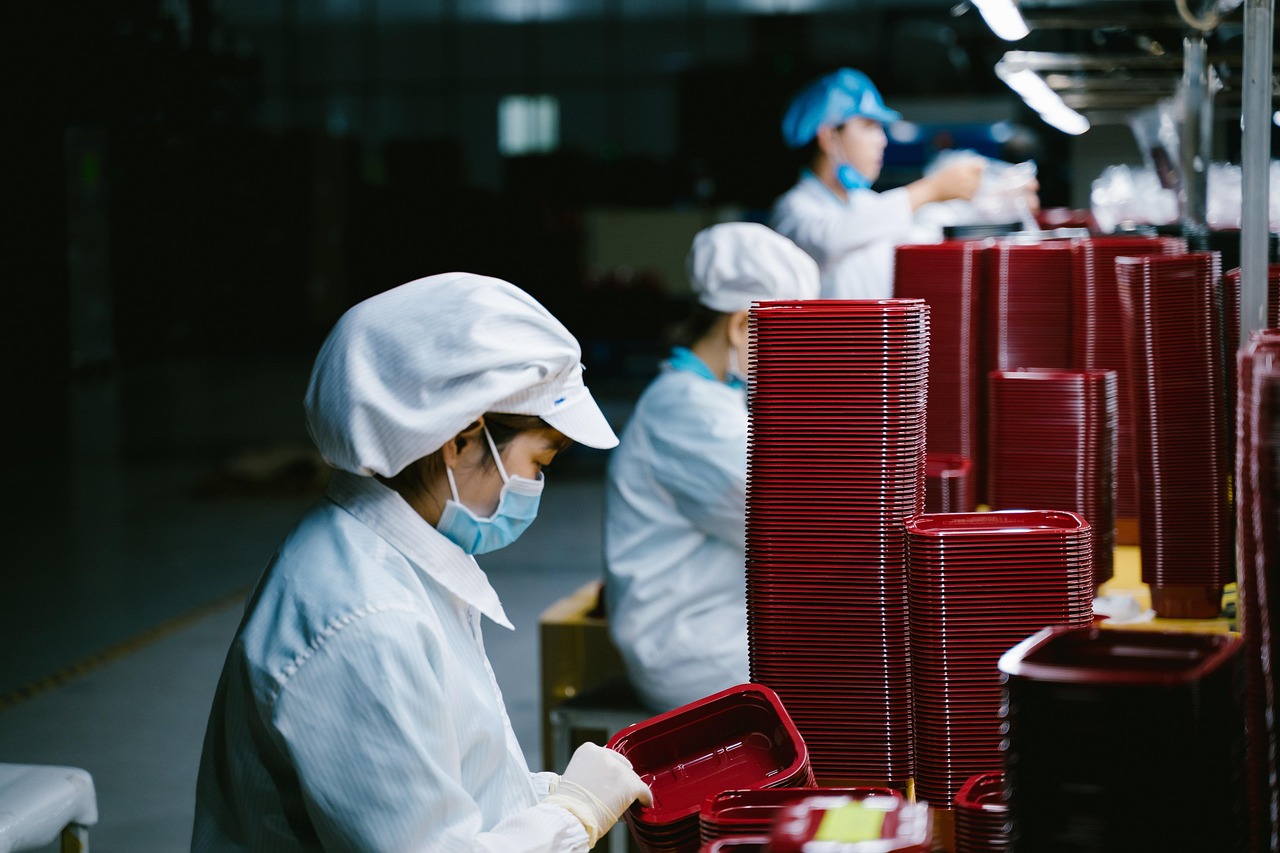
A practical factory-floor checklist buyers can actually use
Seasoned buyers can walk into a factory and know—within 30 minutes—whether it’s worth their time or a ticking time bomb. They don’t rely on brochures or promises. They read signals most buyers don’t even notice.
This guide breaks down how professionals evaluate factories fast, what they look for, what they ignore, and how you can apply the same method—even if you’re sourcing overseas for the first time.
Why 30 Minutes Is Enough (If You Know What to Look For)
Experienced importers focus on:
Operational reality, not sales talk
Systems, not individual answers
Consistency, not perfection
The 30-Minute Factory Evaluation Framework
Here’s how professionals mentally divide their time:
| Time Block | Focus Area | What Pros Are Really Checking |
|---|---|---|
| 0–5 min | First Impressions | Scale, cleanliness, discipline |
| 5–10 min | Production Floor | Process flow, worker skill |
| 10–15 min | Quality Control | Systems vs firefighting |
| 15–20 min | Management Signals | Decision-making power |
| 20–30 min | Risk & Fit Assessment | Long-term reliability |
Let’s break this down step by step.
1. First 5 Minutes: The Silent Signals Most Buyers Miss
Before you ask a single question, observe.
What experienced buyers notice immediately:
Is the factory busy or staged?
Are workers wearing uniforms or PPE?
Are raw materials organized or piled randomly?
Is there visible supervision—or chaos?
Quick Reality Check
| What You See | What It Usually Means |
|---|---|
| Clean but empty floor | Possible showroom factory |
| Too many sales staff, few workers | Trading company in disguise |
| Clear production lines | Process maturity |
| Random workflow | Inconsistent quality risk |
2. Minutes 5–10: Production Floor = Truth Serum
This is where experienced buyers spend the most attention.
What to observe (not ask):
Are workers specialized or multitasking randomly?
Are machines modern—or overused and patched?
Are semi-finished goods labeled?
Is production linear or constantly interrupted?
Production Maturity Comparison
| Indicator | Amateur Factory | Professional Factory |
|---|---|---|
| Workflow | Reactive | Structured |
| Machine usage | One machine, many tasks | Dedicated machines |
| Output tracking | Verbal updates | Boards or digital logs |
| Downtime | Frequent | Controlled |
3. Minutes 10–15: Quality Control—System or Guesswork?
This is where many buyers get fooled.
What to physically check:
Are there QC checkpoints inside production, not just at the end?
Are defective items isolated or mixed?
Is QC done by trained staff—or whoever is free?
QC Reality Table
| Question | Weak Factory | Strong Factory |
|---|---|---|
| When is QC done? | After production | During & after |
| Who does QC? | Workers themselves | Dedicated inspectors |
| Defect handling | Reworked quietly | Logged and analyzed |
| Records | None | Trackable |
4. Minutes 15–20: Management & Communication Signals
You don’t need to meet the CEO—but you must gauge decision power.
Watch for:
Does the sales manager defer every answer?
Can someone approve changes on the spot?
Are timelines realistic or overly optimistic?
Decision-Making Test
Ask one controlled question:
“If I change the packaging spec, how long will it take to confirm impact on cost and delivery?”
| Response Style | What It Tells You |
|---|---|
| “Let me check” (no timeline) | Weak internal control |
| “2–3 days” (confident) | Clear process |
| “No problem” (too fast) | Risk of false promises |
5. Minutes 20–30: Fit, Risk & Growth Readiness
Experienced buyers finish with fit analysis, not price obsession.
Ask yourself:
Is this factory too small—or too big—for me?
Will I get priority or be ignored during peak season?
Can they scale with me in 6–12 months?
Factory Fit Matrix
| Buyer Profile | Ideal Factory Type |
|---|---|
| Startup / Test orders | Mid-sized, flexible |
| Growing brand | System-driven, scalable |
| Large volume | Capacity-heavy, process-led |
The One-Page Factory Floor Checklist (Save This)
Use this literally while walking:
☐ Production running naturally (not staged)
☐ Clear workflow and task separation
☐ Dedicated QC presence
☐ Defects isolated, not hidden
☐ Management answers match reality
☐ Capacity aligns with my order size
☐ Growth potential without dependency risk
If you tick 5 or fewer, walk away.
Common Buyer Mistakes Professionals Avoid
| Mistake | Why It’s Dangerous |
|---|---|
| Trusting samples alone | Samples are curated |
| Choosing lowest price | Often highest long-term cost |
| Ignoring capacity limits | Delays during peak season |
| Skipping floor walk | Misses operational truth |
Final Takeaway: Professionals Don’t Look for “Perfect”
They look for:
Consistency
Transparency
Process maturity
Strategic fit
You don’t need to be an expert—you need a framework.
With the right 30-minute approach, you’ll avoid:
Costly reorders
Missed delivery deadlines
Brand-damaging quality issues
And you’ll source like someone who’s done this a hundred times before.